Emergency Lighting Systems – Protecting Occupants When They Need It Most
In an emergency, every second matters. If normal lighting fails due to a power outage, fire, or electrical fault, emergency lighting provides vital illumination that helps occupants evacuate safely and quickly.
Whether you manage an office, warehouse, retail premises, school, hotel, HMO, healthcare facility, or commercial building, a properly maintained emergency lighting system is essential for protecting lives and meeting your legal obligations.
At FireGen Fire & Security, we provide professional emergency lighting installation, testing, maintenance, and compliance services throughout London, Essex, Kent, and the surrounding areas.
What Is Emergency Lighting?
Emergency lighting is a backup lighting system designed to operate automatically when the normal power supply fails.
Its primary purpose is to:
- Illuminate escape routes
- Highlight emergency exits
- Reduce panic during emergencies
- Allow safe evacuation of occupants
- Support emergency response procedures
Emergency lighting systems are typically battery-backed and automatically activate during power failures or emergency situations.
Is Emergency Lighting a Legal Requirement?
Yes.
The Regulatory Reform (Fire Safety) Order 2005 requires responsible persons to ensure suitable emergency routes and exits are adequately illuminated in the event of an emergency.
Emergency lighting systems should be designed, installed, tested, and maintained in accordance with BS 5266, the recognised British Standard for emergency lighting.
Failure to provide adequate emergency lighting can result in:
- Enforcement action
- Insurance complications
- Increased liability
- Risk to life during emergencies
- Potential prosecution for non-compliance
For most commercial buildings, emergency lighting is not optional—it is a critical life safety requirement.
Where Is Emergency Lighting Required?
Emergency lighting is commonly required in:
- Offices
- Retail stores
- Warehouses
- Hotels
- Care homes
- Schools and colleges
- Apartment blocks
- HMOs
- Factories
- Public buildings
Typical locations include:
Escape Routes
Emergency lighting should illuminate corridors, stairwells, and designated escape routes to ensure safe evacuation.
Emergency Exits
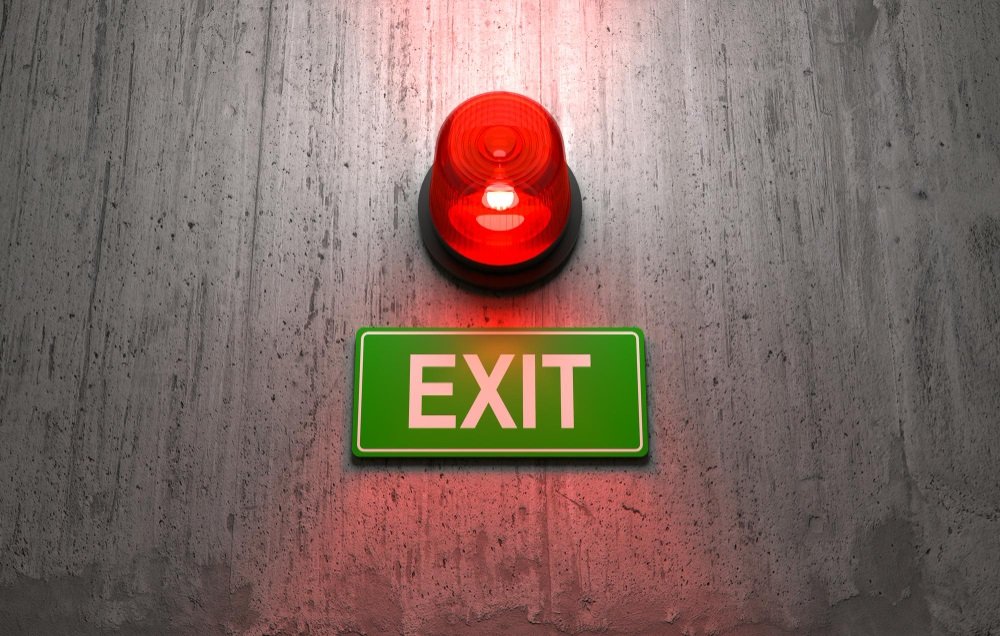
Exit doors and fire exits must remain clearly visible during a power failure.
Open Areas
Large open areas require anti-panic lighting to help occupants locate escape routes quickly.
High-Risk Areas
Areas containing electrical equipment, plant machinery, or hazardous processes may require additional emergency lighting coverage.
Types of Emergency Lighting Systems
Choosing the correct emergency lighting solution depends on your building layout and fire risk assessment.
Maintained Emergency Lighting
Maintained fittings operate continuously and remain illuminated during normal conditions as well as power failures.
Commonly used in:
- Cinemas
- Theatres
- Shopping centres
- Entertainment venues
Non-Maintained Emergency Lighting
Non-maintained fittings only operate when the mains power supply fails.
Commonly used in:
- Offices
- Warehouses
- Industrial premises
- Commercial buildings
Self-Contained Emergency Lighting
Each fitting contains its own battery and control electronics.
Benefits include:
- Cost-effective installation
- Simple maintenance
- Ideal for smaller premises
Central Battery Systems
A central battery unit supplies power to multiple emergency luminaires.
Benefits include:
- Easier testing
- Simplified maintenance
- Suitable for larger buildings
Emergency Lighting Testing Requirements
Many building owners are unaware that emergency lighting requires routine testing and inspection.
Regular testing helps ensure systems will operate correctly when needed most.
Monthly Functional Testing
A brief test should be carried out monthly to confirm fittings operate correctly in emergency mode.
Annual Full Duration Test
An annual discharge test confirms emergency lighting can operate for its required duration, typically three hours.
All testing should be recorded within the site’s fire safety logbook.
Common Emergency Lighting Faults
Our engineers regularly encounter issues including:
- Failed batteries
- Damaged luminaires
- Charging faults
- Missing fittings
- Insufficient light levels
- Failed duration tests
- Incorrect installation locations
These faults can compromise evacuation procedures and place building occupants at risk.
Signs Your Emergency Lighting May Need Upgrading
You may require an upgrade if:
- Your emergency lighting system is over 10 years old
- Fittings fail annual duration tests
- Replacement parts are obsolete
- Building layouts have changed
- Additional escape routes have been created
- Your fire risk assessment highlights deficiencies
FireGen can assess your existing installation and provide practical recommendations to improve compliance and safety.
Why Choose FireGen Fire & Security?
At FireGen, we understand that emergency lighting is a critical component of any life safety strategy.
Our experienced engineers deliver reliable emergency lighting solutions designed to keep your building compliant and your occupants protected.
Our Emergency Lighting Services Include:
✓ Emergency Lighting Design
✓ Emergency Lighting Installation
✓ Emergency Lighting Maintenance
✓ Emergency Lighting Testing
✓ Monthly & Annual Inspections
✓ Emergency Lighting Fault Finding
✓ LED Emergency Lighting Upgrades
✓ Compliance Reporting
✓ Remedial Works & Repairs
All works are completed in accordance with current British Standards and industry best practice.
The Benefits of Professional Emergency Lighting Maintenance
Regular maintenance helps:
- Ensure compliance with BS 5266
- Improve occupant safety
- Reduce system failures
- Extend equipment lifespan
- Support fire risk assessment requirements
- Demonstrate due diligence to insurers and enforcing authorities
Most importantly, it provides peace of mind that your building will remain safe during an emergency.
Protect Your Building with FireGen
Emergency lighting plays a vital role in protecting lives during power failures and emergency situations. Ensuring your system is correctly installed, tested, and maintained is essential for both safety and compliance.
Whether you require a new installation, annual testing, remedial works, or ongoing maintenance, FireGen Fire & Security can help.
Contact FireGen Today
Visit www.firegen.co.uk to arrange a free quotation or speak with our team about your emergency lighting requirements.
FireGen Fire & Security – Protecting Lives, Property & Business 24/7.